
Why You Sleep the Way You Do: Discover Your Chronotype
Each chronotype reflects a unique pattern of energy, alertness, emotional regulation and stress responsiveness. These patterns are shaped by genetics, biology, hormones and nervous system functioning. Understanding your chronotype can offer valuable insight into your emotional needs, productivity rhythms and stress management.
This quiz is designed to help you understand your natural sleep–wake rhythm, also known as your chronotype. There are no right or wrong answers. simply choose the option that feels most true for you most of the time.
Try to answer based on your natural preferences, not what your schedule currently forces you to do.
How to Complete This Quiz:
For each question, choose the option that fits you best. At the end, tally which letter you chose most often to discover your chronotype.
1. When do you naturally start feeling sleepy in the evening?
A. Between 8:30 – 10 pm
B. Between 10 – 11:30 pm
C. After midnight
D. It varies: I often feel tired but mentally alert
2. How do you typically feel within the first hour of waking?
A. Alert, focused and ready to start the day
B. A bit slow at first but fine once I get moving
C. Groggy, foggy and unmotivated
D. Wired, anxious or already mentally busy
3. When do you feel mentally sharpest and most productive?
A. Early morning
B. Mid-morning to early afternoon
C. Late afternoon or evening
D. It changes daily: my energy feels unpredictable
4. How would you describe your natural sleep quality?
A. Deep and refreshing
B. Generally good with a routine
C. I often feel sleep-deprived
D. Light, restless or easily disturbed
5. If you had no obligations, when would you ideally wake up?
A. Between 5 – 6:30 am
B. Between 6:30 – 7:30 am
C. Between 8 – 10 am
D. My wake-up time would vary
6. How do early mornings affect your mood?
A. I enjoy them
B. I tolerate them
C. They make me irritable or sluggish
D. They heighten my anxiety or stress
7. How do you usually feel by late evening?
A. Ready to wind down and sleep
B. Calm but still functioning
C. Energised and mentally active
D. Tired but unable to properly switch off
8. Which statement best describes your relationship with sleep?
A. Sleep feels natural and predictable
B. Sleep is manageable with routine
C. Sleep feels constantly insufficient
D. Sleep feels fragile and easily disrupted
9. When do you prefer to exercise or do demanding tasks?
A. Early morning
B. Late morning or early afternoon
C. Late afternoon or evening
D. It depends on how anxious or alert I feel
10. How would others likely describe your energy pattern?
A. Calm, focused and steady in the mornings
B. Balanced and consistent
C. Slow starter but energetic later
D. Highly alert, sensitive or anxious
Your Results:
Count which letter you chose most often.
Mostly A’s: Lion Chronotype (The Early Riser)

Core pattern: Morning alertness, early fatigue.
Lions are naturally early risers who feel most energised and mentally clear in the first part of the day. They tend to be goal-oriented, structured and productive before midday. As the day progresses their energy gradually declines, making evenings feel draining.
Emotional & Psychological Profile:
Lions often feel emotionally steady and grounded in the mornings. With a strong sense of control and organisation. However, late evenings can bring irritability, low mood or emotional fatigue. When overtired, Lions may become rigid, impatient or overly self-critical.
Stress Response:
Under stress, Lions tend to:
Become overly task-focused.
Push themselves harder.
Struggle to slow down.
Experience early burnout.
They often benefit from learning how to pace themselves and allow for flexibility.
Ideal Daily Rhythm:
Best focus: Early morning to midday
Best time for deep work: 6:00 – 11:00 am
Best time to wind down: Early evening
Helpful Strategies:
Schedule demanding tasks early.
Protect evening wind-down time.
Avoid late-night stimulation.
Build restorative breaks into the afternoon.
Mostly B’s: Bear Chronotype (The Balanced Majority)

Core pattern: Consistent, daylight-aligned energy.
Bears represent the most common chronotype. Their biological rhythm follows natural daylight patterns. With energy peaking mid-morning and early afternoon. They function best with consistency, predictability and routine.
Emotional & Psychological Profile:
Bears often feel emotionally balanced and resilient when their sleep is regular. However, they are particularly sensitive to disruptions. Irregular schedules, late nights or inconsistent routines can quickly lead to emotional fatigue, irritability and low motivation.
Stress Response:
Under stress, Bears may:
Become emotionally overwhelmed.
Experience mental fatigue.
Withdraw socially.
Feel easily overstimulated.
They benefit greatly from stability, structure and emotional regulation practices.
Ideal Daily Rhythm:
Best focus: 9:00 am – 2:00 pm
Best time for problem-solving: Late morning
Natural energy dip: Mid-afternoon
Helpful Strategies:
Maintain consistent sleep-wake times.
Use light exposure to support morning alertness.
Schedule restorative breaks mid-afternoon.
Avoid overstimulation in the evening.
Mostly C’s: Wolf Chronotype (The Night Owl)
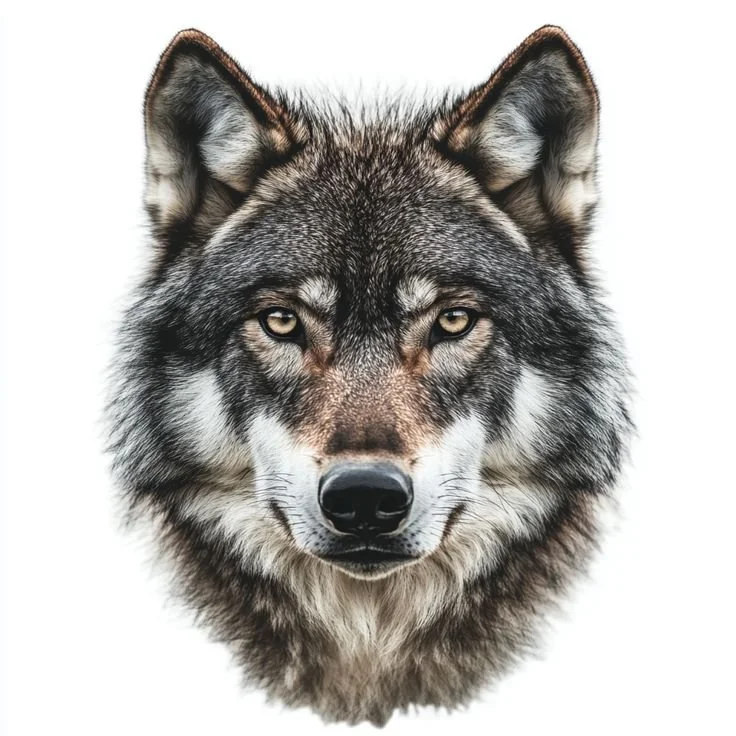
Core pattern: Evening alertness, late peak performance.
Wolves are biologically wired for later activity. They often struggle with early mornings and feel mentally sluggish at the start of the day. Their creativity, emotional clarity and problem-solving abilities typically peak later in the afternoon and evening.
Emotional & Psychological Profile:
Wolves are often emotionally intuitive, creative and reflective. However, chronic sleep deprivation due to early schedules can contribute to mood instability, anxiety, low self-esteem and burnout. They may internalise feelings of inadequacy when unable to meet morning productivity expectations.
Stress Response:
Under stress, Wolves may:
Become emotionally withdrawn.
Experience increased rumination.
Feel overwhelmed by early demands.
Struggle with motivation.
They benefit from flexible schedules, gentle mornings and later productivity windows.
Ideal Daily Rhythm:
Best focus: Late afternoon to evening.
Best time for creative work: 4:00 – 10:00 pm.
Slowest energy period: Early morning.
Helpful Strategies:
Gradually adjust sleep times rather than forcing early shifts.
Schedule demanding tasks later in the day.
Use gentle morning routines.
Prioritise wind-down rituals to support earlier sleep.
Mostly D’s: Dolphin Chronotype (The Light Sleeper)
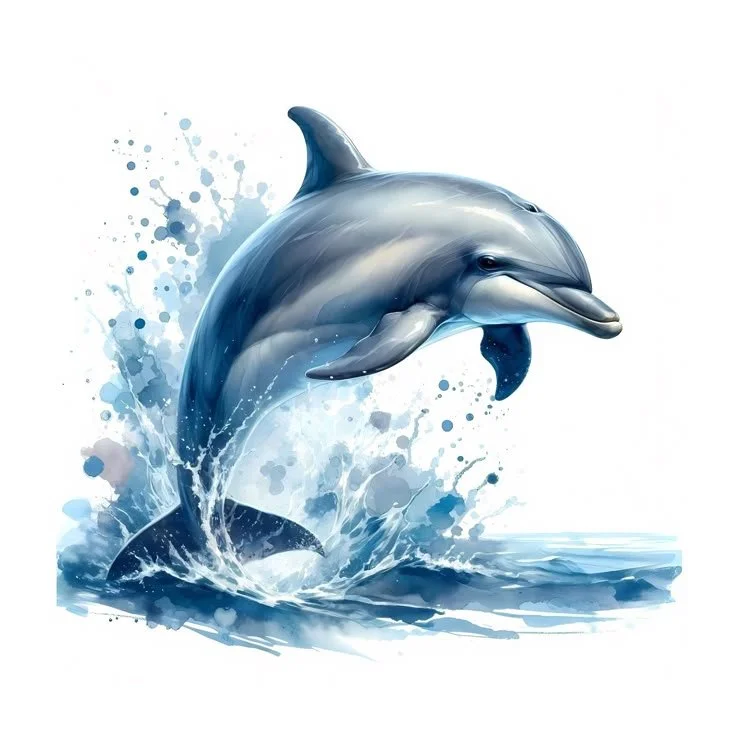
Core pattern: High alertness, fragmented sleep.
Dolphins tend to have highly sensitive nervous systems. They often struggle to fully switch off, leading to light, restless or interrupted sleep. Anxiety, overthinking and heightened emotional responsiveness commonly interfere with sleep quality.
Emotional & Psychological Profile:
Dolphins are often emotionally perceptive, conscientious and detail-oriented. They tend to hold high standards for themselves and may struggle with perfectionism. Emotional sensitivity combined with nervous system hyperarousal, can contribute to anxiety and chronic fatigue.
Stress Response:
Under stress, Dolphins may:
Experience racing thoughts.
Develop insomnia.
Feel emotionally overwhelmed.
Become hypervigilant.
They benefit most from nervous system regulation rather than strict sleep rules.
Ideal Daily Rhythm:
Best focus: Mid-morning to early afternoon.
Energy fluctuations: Variable.
Sleep pattern: Fragmented or inconsistent.
Helpful Strategies:
Gentle wind-down routines.
Breathwork and relaxation practices.
Cognitive techniques to manage worry.
Consistent but flexible sleep schedules.
Therapy support when anxiety is prominent.
Your chronotype is not a limitation, it is a blueprint for understanding how your body and mind function best. When we honour our biological rhythms, we cultivate better sleep, emotional balance and sustainable productivity.
If sleep difficulties persist despite healthy habits, emotional stress, life transitions, trauma, or hormonal changes may be contributing factors. Exploring these patterns in therapy can offer valuable insight and meaningful support.